Saffron for Inflammation: What the Science Actually Says
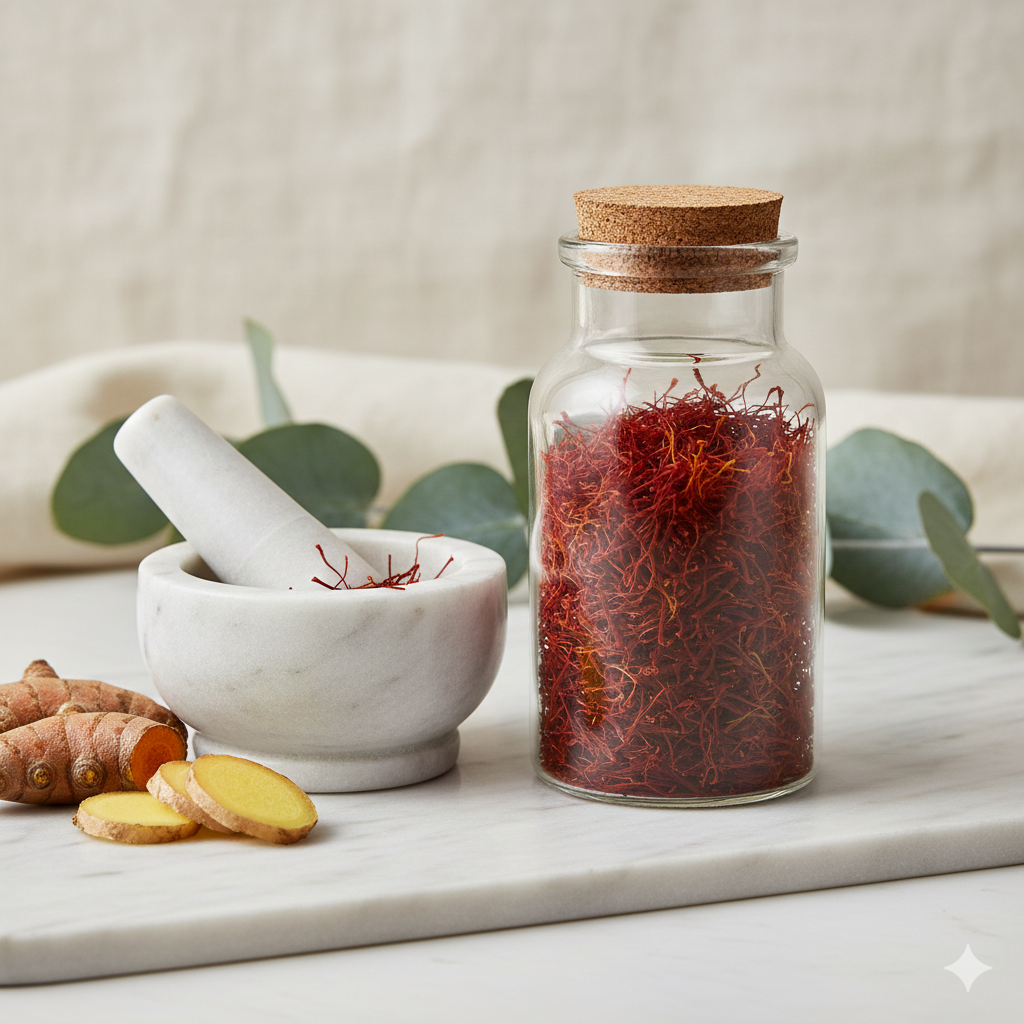
Inflammation is at the root of many chronic health conditions, from arthritis to heart disease. As more people seek natural ways to manage inflammation, saffron has emerged as a promising option backed by growing scientific evidence.
Let’s look at what the research actually says.
Understanding Inflammation
First, it’s important to understand that inflammation isn’t always bad. Acute inflammation is your body’s natural healing response to injury or infection. The problem is chronic inflammation - when this response doesn’t turn off and continues damaging healthy tissue.
Chronic inflammation has been linked to:
- Joint pain and arthritis
- Heart disease
- Certain cancers
- Cognitive decline
- Digestive issues
- Skin conditions
Saffron’s Anti-Inflammatory Compounds
Saffron contains several bioactive compounds with documented anti-inflammatory effects:
Crocin
This is what gives saffron its distinctive golden color. Studies have shown crocin can:
- Reduce markers of inflammation in the body
- Protect cells from oxidative stress
- Support healthy immune function
Crocetin
Derived from crocin, crocetin has been studied for its ability to:
- Cross the blood-brain barrier (potentially protecting brain cells)
- Reduce inflammation in blood vessels
- Support cardiovascular health
Safranal
Responsible for saffron’s unique aroma, safranal has shown:
- Antioxidant properties
- Potential pain-relieving effects
- Calming properties that may indirectly reduce stress-related inflammation
What the Research Shows
Joint Health
A 2020 study published in the Journal of Clinical Medicine found that participants who took saffron supplements showed significant improvements in knee pain and stiffness compared to a placebo group after 8 weeks.
Metabolic Health
Research has shown that saffron supplementation can reduce inflammatory markers like C-reactive protein (CRP) in people with metabolic syndrome.
Brain Health
Studies suggest saffron’s anti-inflammatory and antioxidant properties may help protect brain cells, with some research showing promise for memory support in older adults.
How to Incorporate Saffron for Wellness
While supplements are one option, culinary saffron offers benefits too:
Daily dose used in studies: 20-30mg (about 10-15 threads)
Easy ways to add saffron to your routine:
- Morning: Saffron honey latte or golden milk
- Lunch/Dinner: Cook rice, soups, or stews with saffron
- Evening: Saffron tea before bed
Important Considerations
While saffron shows promise, keep these points in mind:
- It’s not a replacement for medical treatment - Always consult your healthcare provider about managing inflammation
- Quality matters - Low-quality saffron may not provide the same benefits
- Consistency is key - Studies showing benefits typically lasted 8-12 weeks
- More isn’t always better - Stick to recommended amounts (high doses can cause side effects)
The Bottom Line
The research on saffron’s anti-inflammatory properties is genuinely promising. While it’s not a miracle cure, incorporating quality saffron into a healthy lifestyle may support your body’s natural ability to manage inflammation.
Combined with other anti-inflammatory practices like regular exercise, stress management, and a diet rich in whole foods, saffron can be a valuable addition to your wellness toolkit.
Ready to start incorporating saffron into your routine? Check out our recipe collection for delicious ways to enjoy this golden spice.
You Might Also Like
What Is Saffron? A Beginner's Guide to the World's Most Precious Spice
If you’ve ever wondered what makes saffron so special - and so expensive - you’re not alone. This vibrant spice has c...
Qu'est-ce que le Safran ? Guide du Débutant sur l'Épice la Plus Précieuse au Monde
Si vous vous êtes déjà demandé ce qui rend le safran si spécial - et si cher - vous n’êtes pas seul. Cette épice vibr...
Le Safran contre l'Inflammation : Ce que Dit Vraiment la Science
L’inflammation est à la racine de nombreuses conditions de santé chroniques, de l’arthrite aux maladies cardiaques. A...